Sorry, Not Sorry: How Celebrity Apologies Either Save Careers or Sink Them
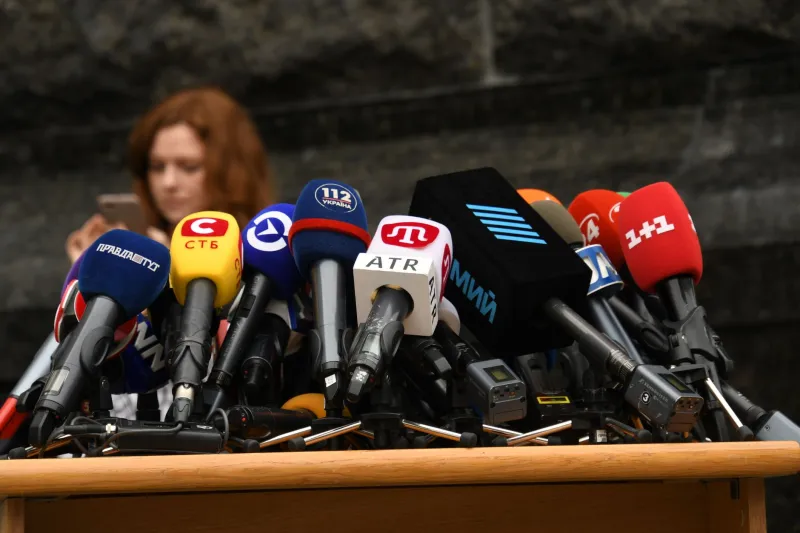
There's a very particular kind of internet energy that shows up the moment a celebrity does something wrong and everyone collectively holds their breath waiting for The Statement. You know the one. It drops on a Tuesday afternoon, it's written in that unmistakable non-apology font — lowercase, overly personal, suspiciously well-edited — and within minutes Twitter (sorry, X) has already decided whether it's good enough.
The celebrity apology has become its own genre of pop culture content at this point. And like any genre, there are hits and there are absolute disasters. After a decade of watching public figures navigate scandal with varying degrees of grace, we've started to notice some very clear patterns. Here's what actually works, what spectacularly doesn't, and why audiences in 2024 are harder to fool than ever.
The Anatomy of an Apology That Actually Lands
Let's start with what good looks like. When Selena Gomez has spoken openly about her lupus diagnosis, her mental health struggles, and her complicated history in the spotlight, she never leaned into victimhood or deflection. She owned her narrative with a kind of quiet honesty that felt genuinely unscripted. That's not a crisis apology exactly, but it illustrates the core principle: audiences respond to vulnerability that doesn't feel performed.
Then there's the case of Justin Bieber, whose public image spent years in a pretty rough place — egging houses, DUIs, general early-twenties chaos documented in real time. His eventual pivot wasn't a single grand apology moment but a slow, sustained shift: therapy talk, faith, marriage, music that leaned into emotional transparency. Whether you're a Belieber or not, it's hard to argue the rehabilitation didn't work. The reason? Consistency. He didn't just say he'd changed. He showed up differently over years, not weeks.
The throughline in successful apologies is almost always the same: specificity, accountability, and time. Vague regret doesn't move people. "I'm sorry if anyone was hurt" is the apology equivalent of a participation trophy — it technically exists but it means nothing.
When the Apology Makes Everything Worse
Now for the cautionary tales, because honestly these are more instructive.
The infamous Notes App apology has become a punchline for a reason. A white-background screenshot of a carefully formatted statement feels like it was reviewed by three publicists and a lawyer, which — let's be honest — it probably was. When the statement arrives within hours of a scandal breaking, complete with perfect paragraph breaks and zero emotional roughness, audiences clock it immediately. It doesn't feel like remorse. It feels like damage control cosplaying as remorse.
Adam Levine's situation in 2022 is a textbook example of timing killing an apology's credibility. After allegations about his behavior went viral, his response came fast and felt carefully managed — acknowledging "poor judgment" while stopping well short of a full accounting. The internet wasn't having it. Why? Because the speed and polish of the statement suggested the priority was narrative control, not genuine accountability. When an apology feels like it was drafted before the scandal even fully broke, people notice.
Then there are the apologies that get undercut by subsequent behavior. If a celebrity issues a heartfelt statement about growth and then quietly continues the same patterns within months, the original apology doesn't just lose its power — it retroactively becomes evidence of manipulation. Audiences remember. Receipts are forever.
The Parasocial Factor: Why We're the Judge and Jury
Here's the part that's worth sitting with: why do we care so much? Celebrity apologies have become a collective cultural event because of the parasocial relationships fans build with public figures. When someone you've followed for years, whose music you've cried to or whose interviews you've watched at 2am, does something wrong, the apology feels personal. You're not just evaluating a PR strategy — you're deciding whether someone you feel like you know deserves your continued emotional investment.
That's a genuinely weird dynamic when you step back from it. But it's also why the stakes feel so high. Fans aren't passive consumers of these moments; they're active participants who discuss, debate, and ultimately render a verdict that has real-world consequences for streaming numbers, ticket sales, and cultural relevance.
Has the Bar Changed?
Absolutely. The audience doing the judging in 2024 is significantly more media-literate than it was even five years ago. People understand PR cycles. They know what a crisis communications playbook looks like. The performative apology that might have landed in 2015 gets dissected and dismantled in real time now.
But — and this is important — that same audience is also capable of genuine forgiveness when the effort feels real. What's changed isn't that people are harder-hearted. It's that they've raised the standard for what "real" looks like.
The celebrities who've successfully come out the other side of scandal almost universally share one quality: they stopped trying to manage the narrative and started actually engaging with it. They talked to journalists who asked hard questions. They didn't just post and disappear. They acknowledged specific harm to specific people rather than gesturing vaguely at "mistakes."
The Verdict
The apology tour playbook, if there is one, is less a script and more a mindset. Lead with specificity. Let some time pass before declaring yourself healed. Let your behavior do the heavy lifting instead of your publicist. And for the love of everything, retire the Notes App screenshot.
The celebrities who've genuinely rebuilt their reputations didn't do it with a single statement. They did it by being consistently, demonstrably different from the person who needed to apologize in the first place. That's slower. It's less satisfying as a content cycle. But it's the only version that actually sticks.
And if you're a fan watching from the sidelines? Your skepticism is earned. Your forgiveness, when it comes, means something. That's exactly the kind of dynamic that makes celebrity culture endlessly worth watching.