Your Face, Their Fraud: How AI Deepfakes Turned Celebrity Identities Into a Digital Battlefield
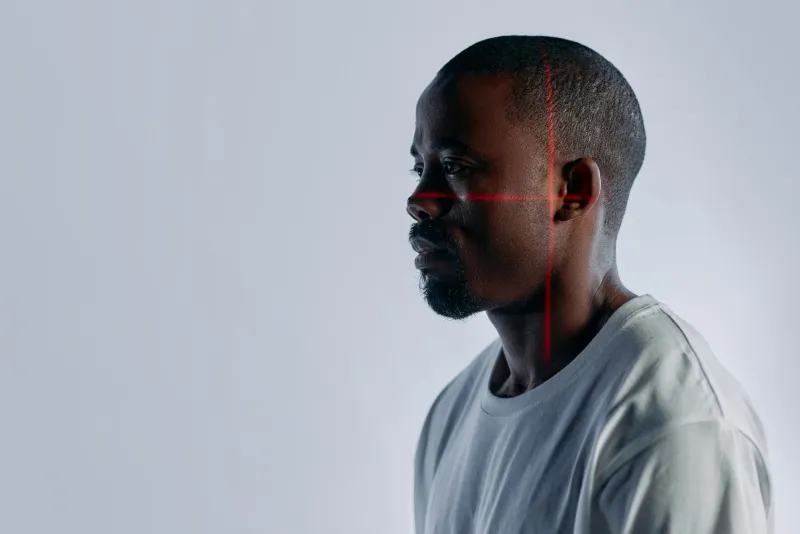
Imagine waking up to a video of yourself — your voice, your face, your mannerisms — hawking a cryptocurrency scam you've never heard of. Or worse, doing or saying something deeply offensive that you absolutely never did. For a growing number of A-listers, that's not a hypothetical nightmare. It's a Tuesday.
Deepfake technology has officially crossed the line from "creepy internet trend" to genuine crisis, and the celebrities caught in its crosshairs are responding with everything from high-powered legal teams to personal PSA campaigns. The digital battlefield is messy, the rules are still being written, and the stakes couldn't be higher.
From Party Trick to Weapon: How Deepfakes Got This Dangerous
Not too long ago, deepfakes were mostly harmless — or at least low-stakes. People swapped Nicolas Cage's face into random movies for laughs, and that was pretty much the vibe. But the technology evolved fast, and the internet being the internet, it didn't take long for bad actors to figure out the real potential for damage.
Today's deepfakes are frighteningly convincing. We're talking hyper-realistic video and audio synthesis that can make a celebrity appear to endorse a product, make a political statement, or engage in content they'd never consent to in a million years. The tools to create this stuff have become cheaper and more accessible, which means the barrier to entry for causing serious harm is basically gone.
Taylor Swift became one of the most high-profile victims when explicit AI-generated images of her went massively viral in early 2024, flooding social media before platforms could even react. The backlash was enormous — her fanbase mobilized instantly, the White House weighed in, and suddenly Congress was actually talking about legislation. That's how fast one incident can shift the cultural conversation.
The Scam Economy Built on Borrowed Faces
Beyond the deeply personal violations, there's a whole shadow economy running on stolen celebrity identities. Fake endorsement videos featuring the faces of Elon Musk, Tom Hanks, and even Oprah Winfrey have been used to push everything from dubious health supplements to crypto investment schemes targeting everyday Americans.
Tom Hanks actually went on Instagram himself to warn his followers after a dental plan ad using his AI likeness started circulating without his knowledge or consent. Oprah has dealt with similar situations, with fake clips of her promoting weight loss products popping up repeatedly across Facebook and YouTube. These aren't just embarrassing — they're actively defrauding regular people who trust these celebrities.
The financial damage is real, but so is the reputational hit. When a fake video goes viral before anyone can debunk it, the correction never reaches the same audience as the original lie. That's the cruel math of misinformation, and celebrities are learning it the hard way.
Stars Who Are Actually Fighting Back
Some celebrities aren't waiting around for lawmakers to catch up. They're going on offense.
Scarlett Johansson has been one of the most vocal advocates for tighter AI regulations, particularly after an AI company used a voice that sounded suspiciously like hers without permission. She hired legal counsel and went public with her objections, forcing a real conversation about consent in the AI space. Her position is straightforward: your likeness is yours, full stop.
On the legal front, a growing number of stars are pursuing litigation under existing right-of-publicity laws, which protect individuals from unauthorized commercial use of their identity. Several states — California and New York especially — have relatively strong protections, and celebrity lawyers are getting creative about applying them to AI-generated content. The argument is essentially that training an AI on someone's image and voice without consent is a form of identity theft, and courts are slowly starting to engage with that framing.
The Screen Actors Guild (SAG-AFTRA) has also made AI protections a central labor issue, pushing for contractual safeguards that would prevent studios and tech companies from cloning performers without explicit, compensated consent. It's not just about the big names — working actors are terrified of a future where their digital replicas do the job for free.
Tech Companies Under the Microscope
Platforms are getting pressure from every direction to do better. Meta, YouTube, and X (formerly Twitter) have all updated their policies around synthetic media in recent years, but enforcement is a whole other story. Content moderation at scale is notoriously difficult, and deepfakes are specifically designed to slip past automated detection.
Some tech companies are investing in detection tools — watermarking AI-generated content at the source, developing algorithms that can flag synthetic media before it spreads. Google has experimented with labeling AI content in search results. Adobe's Content Authenticity Initiative is pushing for industry-wide metadata standards that would essentially give every piece of digital content a verifiable origin story.
It's promising, but critics point out that these solutions are always playing catch-up. The creation tools improve faster than the detection tools, which means there's almost always a window where convincing fakes can do serious damage before anyone catches on.
The Legal Landscape: Patchwork and Playing Catch-Up
Federal law in the US hasn't fully caught up to the reality of AI-generated content, but there's movement. The NO FAKES Act — which stands for Nurture Originals, Foster Art, and Keep Entertainment Safe — has been proposed in Congress and would create a federal right for individuals to control AI-generated replicas of their voice and likeness. It has bipartisan support, which in today's political climate is basically a miracle.
Several states have moved faster. Tennessee passed the ELVIS Act (yes, really — Ensuring Likeness Voice and Image Security) in 2024, offering specific protections against AI voice cloning. California has passed multiple bills targeting deepfake pornography and election-related synthetic media. It's a patchwork system right now, but the direction is clear.
What This Means for the Rest of Us
Here's the thing — while the celebrities dealing with this have resources and platforms most of us don't, the deepfake problem isn't exclusive to the famous. The technology being refined and weaponized against high-profile targets eventually trickles down. The same tools being used to fake Taylor Swift or Tom Hanks can be turned on anyone.
That's why the fights celebrities are picking right now actually matter beyond Hollywood gossip. The legal frameworks being built, the platform policies being pressured into existence, the public awareness being raised — all of it shapes how this technology gets regulated for everyone.
Celebrity culture has always been a mirror for bigger societal conversations, and this one is no different. The question of who owns your face in the digital age is one we're all going to have to answer eventually. Stars just happen to be answering it first — loudly, publicly, and with a lot more lawyers than most of us have access to.
The deepfake dilemma isn't going away. But at least now, more people are paying attention.