Show Me the Receipts: Which Celebrity Brands Are the Real Deal and Which Ones Are Just a Famous Face on a Label

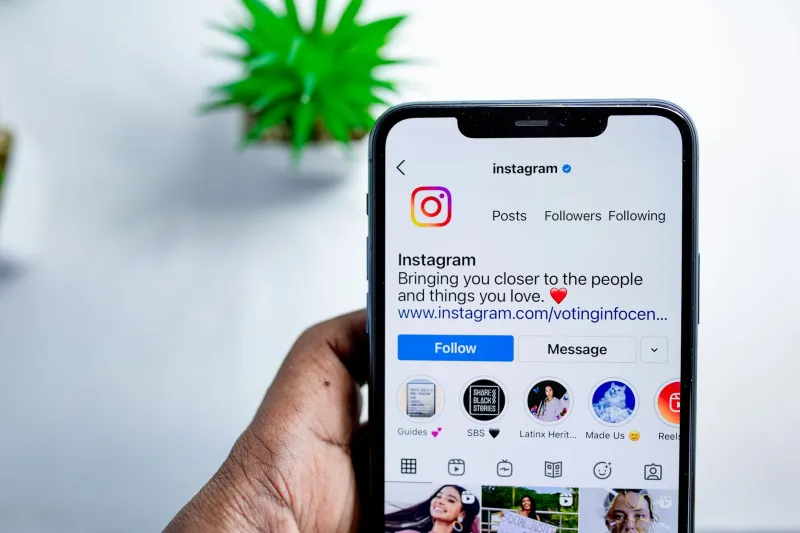
There's a moment in every celebrity's career arc where the pivot happens. The music slows down, the acting roles thin out, or the athlete hits their post-prime years — and suddenly, there's a product line. A skincare range. A tequila brand. A lifestyle company with a very aesthetically pleasing Instagram grid and a suspiciously vague mission statement.
But here's the thing nobody talks about enough: slapping your name on a product and actually building something are two completely different animals. And fans — increasingly savvy, increasingly skeptical — are getting a lot better at telling the difference.
So let's do a real audit. Who's actually showing up, and who's just cashing the licensing check?
The Gold Standard: When Celebrities Actually Build
Rihanna is the name that comes up every single time this conversation starts, and for good reason. Fenty Beauty didn't just succeed because Rihanna is famous. It succeeded because she reportedly drove product development herself, pushed hard for the 40-shade foundation range when industry insiders thought it was overkill, and stayed relentlessly involved in creative decisions. The result? A brand that genuinely disrupted the beauty industry and forced legacy players to rethink their shade ranges entirely.
That's not a vanity project. That's a founder who happened to also be a global superstar.
George Clooney's Casamigos tequila follows a similar logic. Clooney and his partners reportedly started making the tequila for themselves — they were literally drinking it at their own homes before it became a commercial product. The story checks out because the brand had a coherent identity from day one, and when Diageo bought it for up to a billion dollars in 2017, it was because the product had real market traction. You don't sell a vanity project for a billion dollars. You sell a business.
Jessica Alba and The Honest Company is another example worth studying. Love it or hate it, Alba was genuinely motivated by a real consumer pain point — non-toxic baby products — and stayed involved enough that the company went public in 2021. The valuation has had its ups and downs, but the founding story is legitimate, and her involvement has been documented extensively.
The Middle Ground: Invested Enough, But Not Running the Show
Not every celebrity needs to be CEO to have a legitimate stake in their brand. There's a reasonable middle ground where a star brings genuine creative energy and a real point of view without being in every product meeting.
Drake's involvement with Virginia Black whiskey and his broader business portfolio suggests someone who takes ownership seriously, even if he's not distilling barrels himself. Same goes for Ryan Reynolds with Aviation Gin — Reynolds was famously hands-on with the marketing, writing copy himself and leaning into his comedic sensibility to build a brand voice that felt completely distinct. When Diageo acquired a majority stake, they cited that brand identity as part of the value. That identity came from Reynolds actually caring.
Selena Gomez and Rare Beauty lands here too. Gomez has been vocal about the mental health mission embedded in the brand, and her team has been transparent about the percentage of profits going toward mental health initiatives. Whether she's formulating the blush herself is beside the point — the brand reflects a genuine perspective, and that authenticity comes through in how consumers connect with it.
The Vanity Projects: Famous Names, Absent Founders
Okay, here's where it gets uncomfortable.
The celebrity fragrance industrial complex has been quietly operating as a licensing machine for decades. Many of those perfumes bearing a celebrity's name were developed entirely by a fragrance house, with the celebrity involved only in the photoshoot and the check-signing. That's not inherently wrong — licensing deals are legitimate business — but it's a very different thing from building a brand, and the marketing often implies the latter while delivering the former.
Several celebrity alcohol brands follow the same playbook. A celebrity attaches their name to a spirits company that already exists, takes an equity stake or flat fee, does press, and lets the actual operators run everything. When those brands fail — and a lot of them do — the celebrity moves on to the next opportunity with minimal damage. The investors and operators left holding the bag have a very different experience.
The tell is usually in the details. Does the celebrity talk about the product with any specificity? Can they describe the process, the sourcing, the thing that makes it different? Or do they pivot immediately to lifestyle language — it's about the vibe, it's about the feeling — without ever saying anything concrete? Vague enthusiasm is the calling card of someone who got a briefing document the week before launch.
What Fans Are Actually Picking Up On
Here's what's changed: the internet has made it much harder to fake founder energy over the long term. Fans will find the old interviews. They'll notice when a celebrity's enthusiasm for their brand spikes around launch and then vanishes. They'll clock the absence of any real behind-the-scenes content, the generic answers in press junkets, the fact that the celebrity seems to know exactly as much about the product as anyone who read the press release.
And when they figure it out, the backlash isn't just about the product. It feels like a betrayal of the parasocial relationship. Fans thought they were supporting you. Turns out they were supporting a licensing deal you barely remember signing.
Conversely, when a celebrity is genuinely in it, fans respond to that energy. They become advocates. They defend the brand in comment sections. They post unboxings. The community that builds around an authentic celebrity brand is categorically different from the one that forms around a famous name on a mediocre product.
The Bottom Line
The celebrity brand space is only getting more crowded. Every major star seems to have a product line in development, and the marketing playbook is sophisticated enough that the real and the fake can look identical at launch.
But over time, the cracks show. Businesses built on genuine founder involvement tend to compound — the brand gets stronger, the product improves, the story deepens. Vanity projects tend to plateau fast and either get quietly discontinued or sold off when the celebrity's team finds a better licensing opportunity.
The receipts always come out eventually. And at FaceZeal, we'll be right here when they do.