Log Off and Disappear: The Celebrity Strategy of Going Dark When Scandal Strikes

There's a moment every celebrity dreads — the one where Twitter is on fire, the tabloids are circling, and your publicist's phone is blowing up faster than a group chat after the finale of a reality show. The playbook says you issue a statement, maybe cry on camera, maybe post a Notes app apology. But a growing number of A-listers are ripping up that playbook entirely and choosing a completely different move: they just... disappear.
No statement. No Instagram story. No tearful interview with a sympathetic anchor. Just silence so loud it practically echoes.
So is the vanishing act a genius reputation strategy or a slow-motion career implosion? We dug into the pattern, the case studies, and the psychology behind it — because the answer is way more complicated than you'd think.
The Old Way vs. The Ghost Method
For decades, the standard celebrity crisis response was pretty formulaic. Get ahead of the story, express remorse, do a sit-down interview, let time do the rest. It worked for some — and spectacularly backfired for others. The Notes app apology became such a cultural punchline that even attempting one now risks doubling the mockery.
Enter the alternative: going completely dark. Delete or archive your social media posts. Cancel appearances. Stop talking to press. Let the news cycle do what it does best — move on to the next thing.
The logic is almost counterintuitive. Instead of feeding the machine with more content to pick apart, you starve it. No new quotes to misinterpret. No apology language to dissect for sincerity. No follow-up missteps to compound the original mess. You become, essentially, a moving target that stops moving.
When the Silence Actually Worked
Let's talk about the cases where disappearing wasn't just effective — it was transformative.
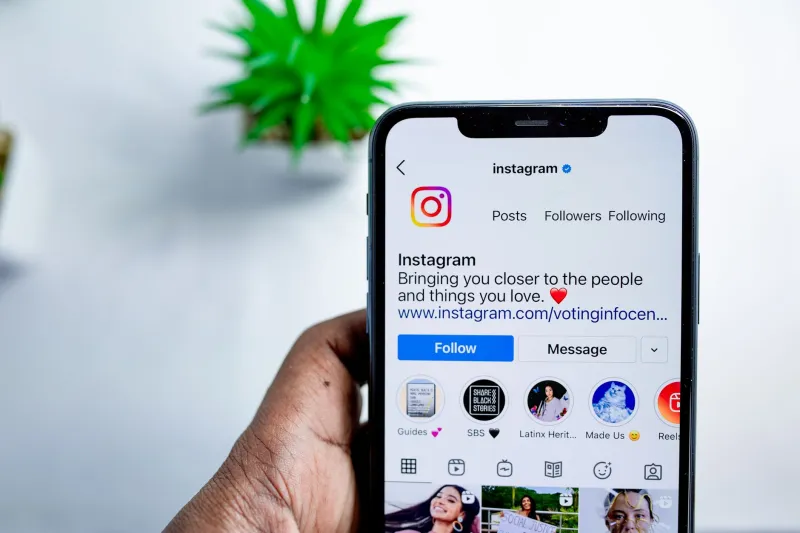
Chris Evans had a moment back in 2020 when he accidentally posted something to his Instagram stories that immediately went viral for all the wrong reasons. The internet was chaotic for about 48 hours. His response? He acknowledged it briefly, made a self-deprecating joke, and then essentially stepped back from the noise. There was no prolonged apology tour. No media rounds. He let the story breathe — and then exhale. Within a week, the conversation had shifted entirely, and Evans came out of it with his reputation not just intact but somehow warmer than before.
Then there's the longer-game version of the disappearing act. When certain artists or actors step away from public life for months — sometimes over a year — following a scandal, they're essentially betting that the cultural memory is short. And honestly? Often they're right. Audiences are consuming so much content daily that last season's controversy can feel like ancient history by the time someone resurfaces with a new project.
The key in these cases seems to be what you come back with. A genuinely great album, a critically acclaimed role, a business venture that lands — these things reframe the narrative without ever directly addressing the original controversy.
When Going Dark Made Everything Worse
But here's where it gets complicated, because the silent strategy has also gone catastrophically wrong.
When the scandal involves ongoing harm to other people — allegations of misconduct, financial wrongdoing, or situations where victims are waiting for accountability — silence reads very differently. It stops being a strategic pause and starts looking like avoidance. The absence of a response becomes its own statement, and rarely a flattering one.
Some celebrities have tried to ride out genuinely serious controversies with the disappearing act and found that the internet simply... waited for them. The story didn't die. It simmered, got picked up by podcasters, resurfaced in think pieces, and was ready and waiting when they eventually tried to return. In those cases, the silence didn't reset the clock — it just gave everyone more time to build a case.
There's also the parasocial dimension to consider. Celebrities who have built their entire brand on constant fan interaction — the ones who go live every other day, who respond to comments, who make their followers feel like best friends — can't just vanish without that absence itself becoming a story. Their silence is deafening precisely because it's so out of character. Fans start filling in the blanks, and the narrative they create is often worse than whatever the celebrity might have actually said.
The Psychology of the Pause
Crisis communication experts — and yes, there are entire agencies in LA and New York dedicated to exactly this — will tell you that the decision between speaking up and stepping back isn't one-size-fits-all. It depends on the nature of the scandal, the size of the platform, the existing relationship with the fanbase, and crucially, what kind of media cycle you're in.
A slow news week is a terrible time to go quiet. A week when three other celebrities are also imploding? That's your window.
There's also something to be said for the difference between strategic silence and panicked hiding. The celebrities who pull off the disappearing act successfully tend to be the ones who are clearly in control of the narrative even while not participating in it. They might not be posting, but their team is managing the story, deciding when and how they'll return, and often quietly laying groundwork — a new project announcement, a charity partnership, something that gives media an alternative hook when the comeback moment arrives.
The ones who just... hide? Without a plan? Those are the careers that stall out and never quite recover the momentum.
What Fans Actually Want
Here's the uncomfortable truth that gets lost in all the strategy talk: fans are not a monolith, and what they want from a celebrity in crisis often depends entirely on how much they already liked that celebrity to begin with.
Devoted fans will defend the silence. They'll call it "protecting their peace" and "not feeding trolls" and praise the celebrity for not giving haters the satisfaction of a reaction. Critics, meanwhile, will interpret the exact same silence as guilt, arrogance, or contempt for accountability.
What actually seems to move the needle — both for fans on the fence and for the broader public — is authenticity. Not the performed authenticity of a well-crafted statement, but evidence over time that the person has genuinely reflected, changed, or at minimum understands why people were upset. That can come through words, but it can also come through actions. And sometimes, weirdly, it comes through the quality of the work they release after the storm.
The Verdict
So does going dark work? The honest answer is: it depends entirely on what you're going dark from, and what you're planning to come back with.
For minor scandals in a fast-moving news cycle, strategic silence can be genuinely brilliant — a way to let the internet's goldfish memory do the heavy lifting. For serious controversies involving harm to others, it's a gamble that frequently backfires, leaving the story without closure and the celebrity without redemption.
The celebrities who navigate this best aren't necessarily the ones who speak up fastest or stay quiet longest. They're the ones who read the room, move deliberately, and eventually give people a reason to care about something other than the scandal.
Ghosting the internet is a power move — but only if you know exactly when to come back.